Cyberattacks are increasingly being launched against small businesses because their security is less resilient than larger businesses. Based on recent research, 43% of cyberattacks today targets small enterprises. To protect their data, money, and reputation, small business owners must stay on top of emerging cybersecurity threats as we approach the first quarter of 2025.
Top 10 Cybersecurity Risks for Small Businesses
As cybersecurity gets increasingly complex, even small businesses must change to meet the evolving challenges. Attackers looking for weaknesses in 2025 will use artificial intelligence, automation, and social engineering. The following are the primary cybersecurity risks that small businesses should be alert to and strategies for defense against them.
1. AI-Powered Phishing Scams
Phishing is still among the most common cyberattacks for small businesses in 2025. However, AI-driven schemes are increasing the deception. Cybercriminals pretend to be team members or business contacts by sending highly personalized messages using artificial intelligence.
2. Ransomware Attacks
Malware attacks including ransomware are constantly changing, and now hackers are going after small companies that do not have any sort of advanced security. Ransomware attacks alone cost companies an average of $4.3 million in 2023.
3. Cloud Security Vulnerabilities
Weak access controls and inaccurate configurations are becoming massive security problems as more small businesses migrate to cloud-based solutions. Attackers make use of these flaws to get into private information.
4. Supply Chain Attacks
Hackers are increasingly focusing on third-party vendors to attack small businesses. These attacks exploit vendor systems or software updates to gain access to corporate networks.
5. IoT Device Exploits
Cybercriminals often find it easy to get into Internet of Things (IoT) devices with weak security, like smart cams and connected printers.
6. Business Email Compromise (BEC)
Business Email Compromise (BEC) frauds are when attackers pose as business partners or leaders to fool team members into disclosing confidential information or money. The FBI estimates that 2023 BEC scam losses exceeded $20 billion.
7. Insider Threats
Malicious or careless staff members severely compromise small business security, whether by deliberate data theft or unintentional exposure.
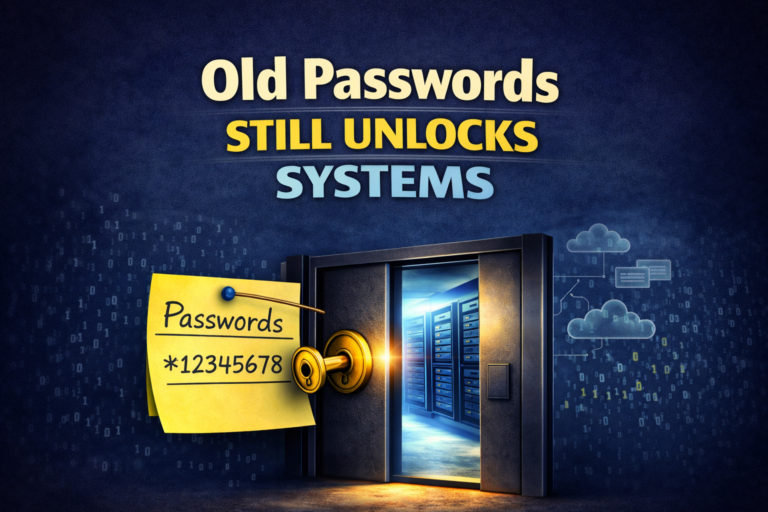
8. Weak Passwords and Credential Theft
Hackers use brute-force attacks or stolen records to get into small businesses, often because the passwords are weak or have been used before.
9. Distributed Denial-of-Service (DDoS) Attacks
Distributed Denial-of-Service (DDoS) attacks take over business networks or websites, causing downtime and issues. Particularly sensitive are small businesses depending on e-commerce or internet services.
10. Social Engineering Attacks
Cybercriminals use fraudulent techniques, including bogus IT help calls or impersonation, to get staff members to reveal private information or grant accessibility.
How to Prevent Cyber Threats in Small Businesses
While no security strategy is foolproof, small businesses can significantly reduce risks by adopting proactive security measures:
- Employee Training: Cybercrime often results from human mistakes, so security awareness training is crucial. Staff who receive training on risks, including phishing scams and social engineering attacks, help avoid expensive oversights.
- Zero-Trust Security Model: Insider threats and illegal access can be lessened by assuming that no one, inside or outside the network, can be trusted.
- Regular Security Audits: Regular inspections ensure the identification and correction of cloud security flaws and weak passwords.
- Data Encryption: Sensitive data encryption guards against supply chain assaults, credential theft, and data breaches brought on by illegal access.
- Incident Response Plan: With a clear response plan, businesses can quickly recover from ransomware attacks, BEC scams, and DDoS disruptions.
The Future of Small Business Security: Trends to Watch
Looking ahead, small businesses must prepare for top cybersecurity risks for small businesses in 2025 and beyond. Key trends include:
- AI-Driven Cybersecurity: Artificial intelligence (AI) tools will be critical for promptly finding and stopping online threats. According to IBM, by 2025, AI-driven security solutions are predicted to cut cybercrime costs by up to $3 million.
- Stronger Compliance Regulations: Governments strengthen security rules for businesses handling consumer data. New data protection regulations in the U.S., EU, and Asia are expected to expand the worldwide cybersecurity regulatory industry.
- Automated Threat Detection: Using machine learning, advanced cybersecurity tools will identify and react to threats faster than before. Companies using AI-driven threat detection reduce breach response times by over 50%, lowering financial and operational harm.
Secure Your Business with AI Technology Professionals
Small businesses cannot afford to treat cybersecurity as less than necessary. Cybercrime has grown more complex, and a breach can have terrible effects on cost. However, even if you have solid security measures in place, employing the assistance of a reputable IT service provider is critical.
Working with AI Technology Professionals guarantees that your company stays ahead of cyber threats with innovative security solutions, ongoing monitoring, and professional advice. Our staff can assist you in improving your security measures, lowering risks, and protecting your company against the changing threat environment.
Get a suitable cybersecurity plan to fit your company’s needs by contacting AI Technology Professionals to guarantee long-term defense against changing threats.
Share this post