Introduction to IT Budgeting
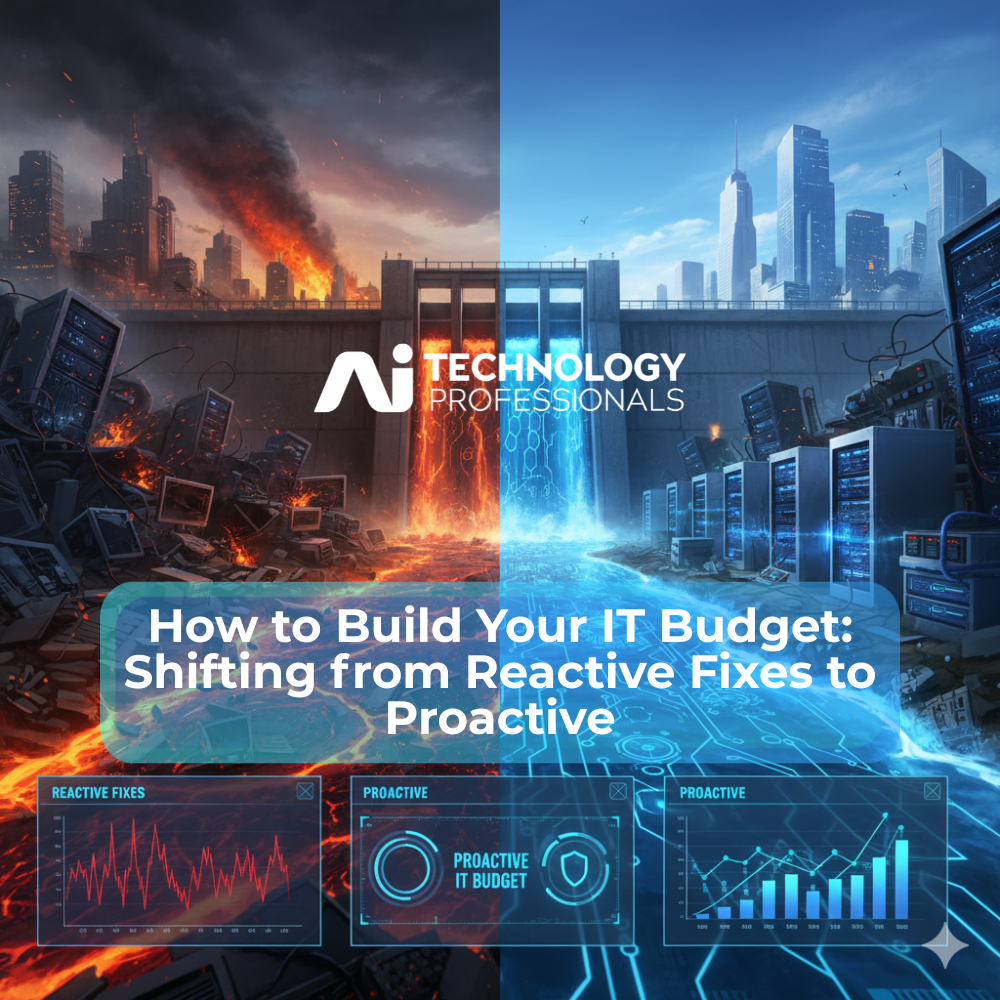
As a business owner or nontechnical manager, you understand that technology is the engine driving your company forward. You rely on computers, software, networks, and the internet for daily operations, communication, and growth. However, when it comes to managing the costs associated with this critical infrastructure, many businesses fall into a trap. They operate with a reactive approach, only spending money when something breaks or an emergency demands immediate attention. This leads to unexpected bills, system downtime, and constant stress. This article is about moving your company away from that chaotic cycle by teaching you how to build your IT budget with a proactive, strategic mindset. By learning how to build your IT budget effectively, you transform IT spending from an unpredictable expense into a powerful, predictable investment.
We at Ai Tech Pros believe that your technology should support your business goals, not constantly interrupt them. A well structured IT budget is the foundation of reliable, high performing technology. It allows you to anticipate needs, plan for upgrades, and most importantly, prevent problems before they start. This shift in perspective is not just about saving money in the long run, it is about creating a stable, secure, and efficient environment that enables your team to focus on serving your customers and driving revenue. The first step on this journey is understanding the key elements that should be included in any modern IT spending plan.
What Exactly is Strategic IT Budgeting
A strategic IT budget is far more than just a list of what you spent on computers last year. It is a comprehensive financial plan that allocates resources to support your current business needs and future growth objectives for the next 12 to 36 months. Instead of being a purely technical document, it becomes a business document.
In the reactive model, an outdated server fails, and you suddenly face a $\$5000$ unexpected repair bill or a much larger bill for an emergency replacement. This kind of spending is a distraction. Strategic IT budgeting, on the other hand, means you identified that server was nearing the end of its useful life six months ago, budgeted for a modern replacement, and scheduled the migration for a quiet weekend. The cost is predictable, and there is no unplanned downtime.
A solid budget divides your technology spending into three main buckets:
- Operational Costs: The day to day essentials. This includes things like software subscriptions, internet service fees, phone systems, and the monthly cost of your Managed Service Provider or internal IT staff.
- Maintenance and Security Costs: This is the proactive side. It covers regular data backups, updated security software, patching systems, network monitoring, and compliance measures. This is the crucial area that prevents the reactive emergencies.
- Capital Expenditure: The big purchases. This is where you allocate funds for major hardware refreshes like new server purchases, replacing all employee workstations, or implementing a new Enterprise Resource Planning system. These items have a longer lifespan and should be planned well in advance.
When you learn how to build your IT budget using these categories, you gain complete visibility and control over your technology roadmap. It allows you to clearly justify technology spending as a business enabler.
The Clear Benefits for Your Business
Moving to a proactive model by learning how to build your IT budget delivers immediate and long term advantages that directly impact your bottom line and employee efficiency.
Predictable Monthly Spending
The greatest relief for any business owner is eliminating financial surprises. When you establish a strategic IT budget, you consolidate many unpredictable, emergency expenses into one consistent, easy to manage monthly amount. This is often achieved by partnering with a Managed Service Provider like Ai Tech Pros, who offer flat rate service. Instead of paying a technician by the hour for every problem that arises, you pay a fixed fee for comprehensive management, support, and monitoring. This transformation from variable to fixed cost makes financial forecasting much simpler and less stressful.
Optimized Employee Productivity
Downtime is a silent killer of profits. When your team members are sitting idle because a critical piece of software is down, the network is slow, or a computer is unusable, you are losing money on their salaries and missing out on potential revenue. A proactive IT budget ensures systems are kept current, well maintained, and monitored for early signs of failure. This focus on prevention minimizes interruptions, meaning your employees can spend their time focusing on their core duties, not waiting for IT to fix an issue. Investing in reliable, high performance technology is an investment in your team’s ability to be productive.
Stronger Data Security and Compliance
The digital landscape is dangerous. Small and medium sized businesses are often targets of cyberattacks because they are perceived as having weaker security than large corporations. An unplanned IT approach typically means security is an afterthought. A strategic IT budget, however, allocates specific funds for state of the art cybersecurity tools, regular staff training, and compliance necessities. This is not just about buying a firewall; it is about implementing a layered defense strategy that protects your valuable customer data and intellectual property. This proactive security is essential for maintaining customer trust and avoiding massive financial and reputational losses from a breach.
Competitive Advantage Through Modern Tools
Technology evolves quickly. If you are always reacting, you are always playing catch up with outdated tools that slow you down. A proactive budget allows you to plan for the adoption of new, efficient technology that gives you an edge over competitors. This might include migrating to a secure cloud platform, implementing a new customer relationship management system, or upgrading collaboration tools. By planning these expenditures in advance, you ensure your business is always operating with the most efficient, modern resources available. This foresight is key to sustained growth.
The High Cost of Ignoring Strategic IT Budgeting
The expense of implementing a planned, strategic IT budget is always less than the inevitable, high cost of ignoring the problem. The reactive approach leads to multiple layers of expensive failure that can truly cripple a growing company.
Unplanned Capital Expenditures and Financial Strain
The largest cost of reactive IT is the forced, unexpected large purchase. When a major piece of infrastructure, like a core network switch or a primary server, fails without a replacement budget set aside, you are in a crisis. You are forced to quickly approve a major expense, often paying a premium for emergency service and rush shipping. This unpredictable outlay strains cash flow, potentially derailing other business investments you had planned. A proactive budget spreads this cost out over years, turning a single crisis into a planned, non emergency upgrade.
Revenue Loss Due to Extended Downtime
Consider the true cost of an outage. If your key sales or operations platform is down for four hours, what is the cost of the lost sales opportunities, the wasted employee time, and the missed production goals? For many businesses, a single day of severe IT failure can cost tens of thousands of dollars. The reactive model makes extended downtime almost inevitable because fixes are always rushed, temporary, and often implemented on systems already past their prime. Proactive monitoring and planned maintenance, budgeted for in advance, significantly reduce the frequency and duration of these costly interruptions.
The Real Cost of Security Vulnerabilities
Failing to budget for current security measures leaves your business exposed. A security breach is often the ultimate expression of a reactive IT model. The cost of a breach includes regulatory fines, legal fees, the expense of forensic IT specialists to clean up the mess, and the irreversible damage to your brand reputation. For a small business, a significant security event can be an existential threat. Investing a dedicated percentage of your planned IT budget into security is the cheapest form of insurance you can buy against this catastrophic risk.
Inefficient and Inconsistent Systems
When you only fix things as they break, you end up with a mismatched assortment of technology. Some employees might have five year old computers, while others have brand new ones. Some departments might use one cloud service, and others use a competitor. This inconsistency leads to support nightmares, compatibility problems, and unnecessary complexity. A well structured IT budget includes a hardware refresh cycle and a software standardization plan, ensuring everyone works with the same, reliable, high performing tools. The reduction in support calls and the increase in consistency justify the planned expenditure.
Conclusion
Learning how to build your IT budget is fundamentally about taking control of your business’s future. It is the necessary step in the evolution of any growing company, transforming your relationship with technology from one of fear and reaction to one of confidence and strategy. By moving to a proactive model, you eliminate emergency spending, dramatically improve security, minimize expensive downtime, and equip your team with the modern tools they need to succeed.
At Ai Tech Pros, we specialize in helping businesses like yours make this transition smoothly. We provide the expertise to audit your current infrastructure, forecast your future needs, and structure a fixed cost IT budget that aligns with your specific business goals. A strategic IT plan is not a luxury; it is a prerequisite for stability and growth in the modern economy.
Would you like to schedule a free, no obligation consultation with an Ai Tech Pros expert to start building your strategic IT budget today?