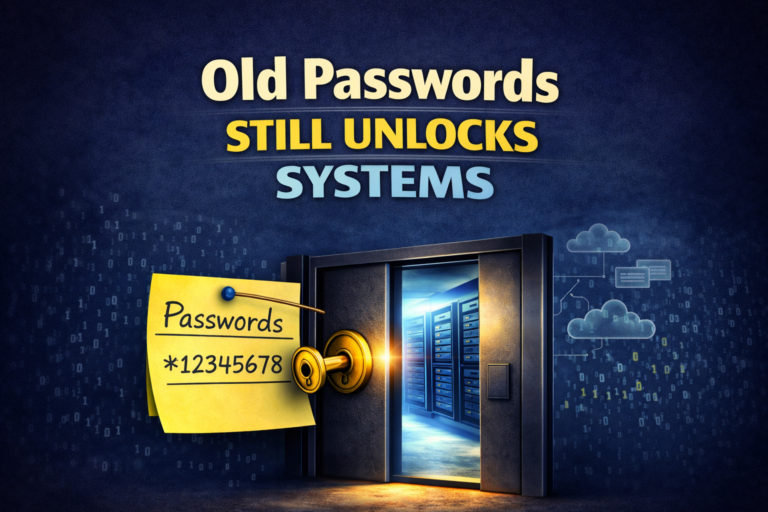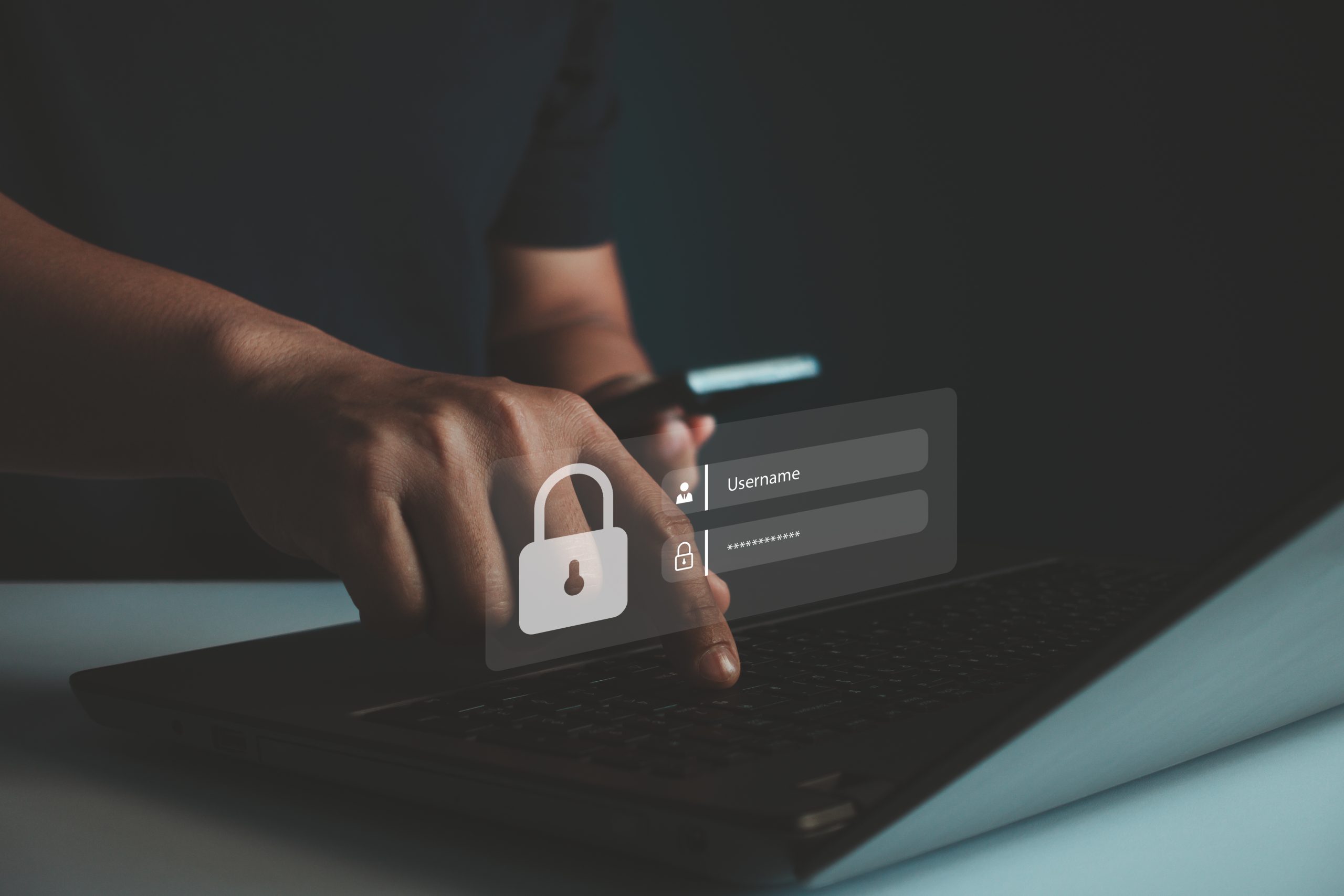
Cyberattacks are becoming more sophisticated, and businesses relying on passwords alone are leaving the door open to threat actors. Stolen credentials remain one of the leading causes of data breaches, and once attackers gain access, the consequences can include financial loss, reputational damage, and regulatory penalties.
Multi-factor authentication for business has emerged as one of the most effective defenses against these risks. By requiring users to confirm their identity through more than one method, MFA drastically reduces the chances of unauthorized access, even if a password is compromised. For small and mid-sized businesses, it represents a cost-effective and practical way to strengthen security without slowing down productivity.
What Is Multi-Factor Authentication?
Passwords alone no longer provide enough defense against cybercriminals. Attackers regularly exploit weak or reused credentials, and phishing attempts become more sophisticated yearly. Multi-factor authentication for business adds an essential layer of defense by requiring users to prove their identity using multiple verification methods. Instead of relying only on something you know (like a password), MFA introduces additional factors, such as something you have or are, significantly reducing the risk of unauthorized access.
The principle is simple: an attacker cannot proceed without the additional factor, even if a password is compromised. This makes MFA one of the most effective ways to strengthen account security and protect sensitive business data.
How MFA Works to Prevent Unauthorized Access
MFA works by layering multiple verification steps during the login process. A typical MFA workflow requires users to enter their password and provide a second verification form, such as a code sent to a mobile device, a push notification, or a biometric scan. These extra steps are fast for legitimate users but create a substantial barrier for cybercriminals.
Microsoft says more than 99.9% of compromised accounts do not use MFA. That figure highlights how vulnerable password-only defenses are, and why MFA is increasingly viewed as a baseline security requirement rather than an optional feature.
Common Types of MFA
Businesses can use several types of multi-factor authentication, each offering different levels of convenience and security. The right mix depends on the organization’s risk profile, user preferences, and technology environment.
SMS Codes
One of the most common forms of MFA involves sending a one-time passcode to a user’s mobile phone via text message. Although simple to deploy, SMS-based MFA is vulnerable to SIM-swapping attacks and should not be the only option for high-security environments.
Authenticator Apps
Apps such as Microsoft Authenticator or Google Authenticator generate time-based, one-time codes that refresh every 30 seconds. These apps provide stronger security than SMS and remain widely adopted for business account protection MFA.
Biometrics
Biometric factors rely on unique physical characteristics such as fingerprints, facial recognition, or voice patterns. These methods add convenience for employees and make it far more difficult for attackers to impersonate legitimate users.
Hardware Tokens
Physical devices, such as security keys or smart cards, generate unique codes or use cryptographic authentication. They are highly secure but require businesses to manage the distribution and replacement of hardware.
Benefits of MFA for Businesses
Strong data backs the MFA benefits for security. U.S. national security cyber leaders report that MFA can prevent 80–90% of cyberattacks. MFA drastically lowers breach risks by reducing the effectiveness of phishing attempts, brute-force attacks, and credential stuffing.
For small and mid-sized businesses, MFA delivers three significant advantages:
- Enhanced account protection: Adding extra verification layers strengthens business account protection, MFA, and reduces exposure to compromised credentials.
- Regulatory alignment: Many industries now expect or require MFA for compliance with data protection standards.
- Customer trust: A company that demonstrates commitment to strong security earns more confidence from clients and partners.
Global adoption continues to rise as well. In 2019, approximately 57% of organizations used MFA, with technology companies leading at 87%. Since then, adoption has expanded steadily across industries, showing that MFA is becoming a standard practice worldwide.
Overcoming Common MFA Adoption Challenges
Despite its clear advantages, businesses sometimes face challenges when adopting MFA. Common obstacles include:
- User friction: Employees may view MFA as inconvenient. Solutions include promoting single sign-on (SSO) integrations and using modern, user-friendly authentication methods like push notifications.
- Cost considerations: While enterprise-grade MFA solutions may seem expensive, many cloud services now include MFA options at little or no additional cost. For SMBs, this makes adoption more practical than ever.
- Technical integration: Legacy systems can complicate MFA rollouts. Working with IT experts ensures smooth deployment across on-premises and cloud environments.
Addressing these issues upfront helps organizations maximize the protective value of MFA without slowing down daily operations.
Integrating MFA into Your Existing Security Strategy
MFA is not a silver bullet. It must be part of a larger cybersecurity strategy to be most effective. That means aligning MFA with MFA cybersecurity best practices, such as:
- Applying MFA to all critical business systems, not just email or VPNs.
- Regularly review authentication policies and update them as new threats emerge.
- Educating employees about phishing tactics that may try to bypass MFA protections.
- Combining MFA with endpoint security, network monitoring, and data encryption for comprehensive defense.
By integrating MFA into a layered security approach, businesses create a resilient environment that limits opportunities for attackers.
Partnering with IT Experts for Secure MFA Implementation
Implementing MFA across a business requires careful planning, configuration, and ongoing management. SMBs often lack the in-house expertise to manage deployment, enforce policies, and ensure a smooth user experience. This is where partnering with a trusted IT provider makes the difference.
AITechPros works with small and mid-sized businesses to design and implement secure MFA solutions that align with broader security goals. From selecting the right types of multi-factor authentication to embedding MFA cybersecurity best practices into existing systems, we help ensure that organizations get security and usability right.
One of the most impactful steps a business can take today is strengthening account defenses. Explore our cybersecurity services or contact us to learn how AITechPros can help protect your business with MFA and a comprehensive security strategy.
Share this post