The “That Password Doesn’t Matter Anymore” Problem
Picture this.
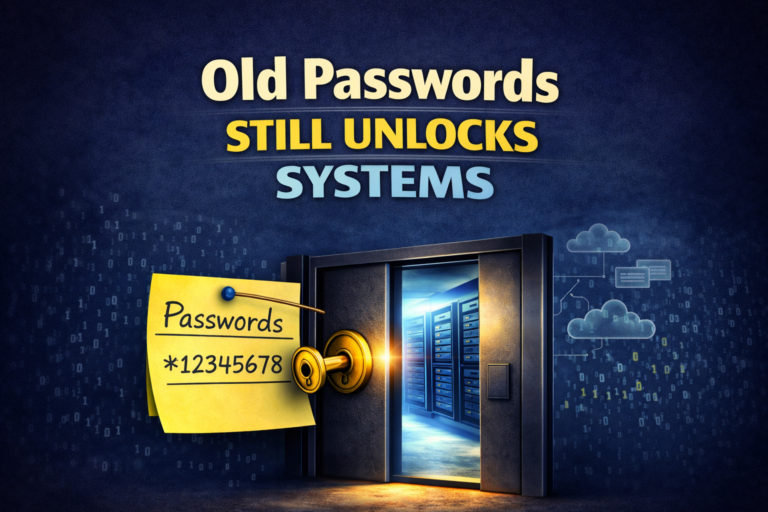
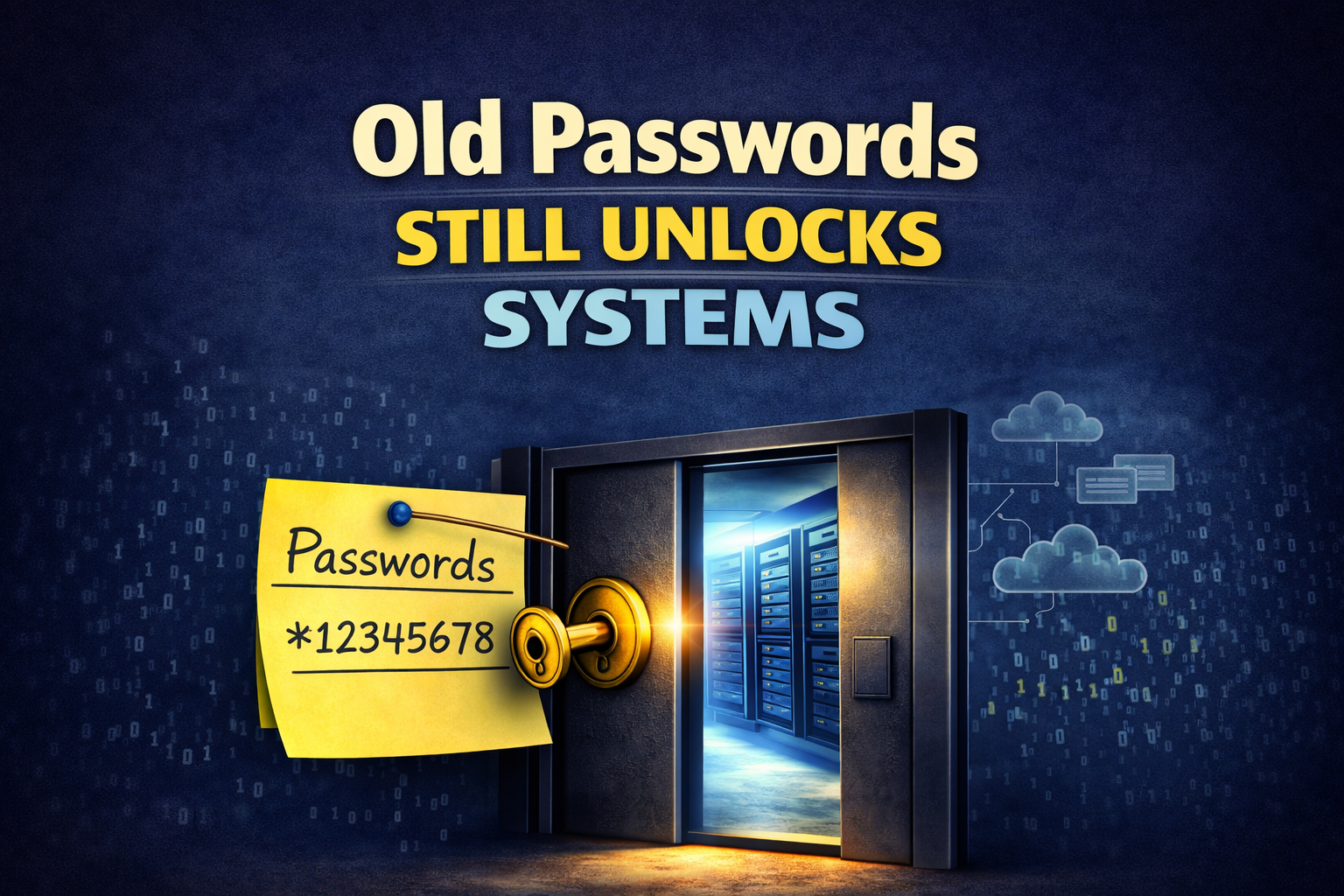
An employee at your office here in Richmond logs into a work app from their home laptop a few years ago. Saves the password. Moves on with life. Maybe they even leave the company.
Fast forward to today.
Nobody remembers that password. Nobody is using it.
But it still works.
And that’s where things can quietly go very wrong.
The Problem: Old Access That Never Really Goes Away
A recent cybersecurity investigation uncovered something unsettling.
Businesses across the world had sensitive data stolen and sold online. Different industries, different sizes. But they all had one thing in common:
They relied on just a username and password to protect important systems.
No extra verification. No backup check. Just type it in and you’re in.
Here’s the kicker.
Some of the passwords used in these attacks were years old.
That means old logins were still active. Still trusted. Still dangerous.
What’s Actually Happening Behind the Scenes?
Let’s break this down in plain English.
Hackers are using something called infostealing malware. Sounds scary, but here’s what it really means:
It’s sneaky software that can land on a computer without anyone noticing.
Once it’s there, it quietly collects things like:
- Saved passwords
- Login details
- Browser data
Then it sends that information back to criminals.
And it doesn’t just happen on office computers.
It can happen on:
- A personal laptop at home
- A former employee’s device
- Any computer that’s ever logged into your systems
Now here’s the part most people don’t realize.
Hackers don’t always use that stolen data right away.
They wait.
Sometimes for years.
A Real-World Example (Closer to Home)
Let’s say you run a small accounting firm in Central Virginia.
One of your team members logged into your cloud accounting software from their home computer back in 2021. That device got infected without anyone knowing.
Nothing happens… at first.
Fast forward to today.
A hacker buys that old login data on the dark web, tries it, and boom. It still works.
No alerts. No extra security check.
Now they’re inside your system, quietly accessing financial data.
That’s not a dramatic movie plot. That’s exactly how these attacks are happening.
The Simple Fix That Stops All of This
This is where MFA comes in.
MFA stands for multi-factor authentication. It just means adding one more step to prove it’s really you.
So instead of:
Password = Access
You get:
Password + Phone approval (or code, or fingerprint) = Access
That second step makes all the difference.
Even if a hacker has the password, they still can’t get in without that extra piece.
It’s like having a key and still needing a second lock opened from the inside.
Why This Matters for Virginia Businesses
A lot of businesses we talk to across Richmond and Central Virginia say the same thing:
“We’re too small to be a target.”
But that’s not how these attacks work anymore.
Hackers aren’t picking targets one by one. They’re buying huge lists of stolen credentials and testing them everywhere.
If your systems don’t have that second layer of protection, you’re simply easier to get into.
And easier is all they need.
Where Ai Tech Pros and AiTLAS Come In
This is exactly the kind of issue we help prevent every day.
At Ai Tech Pros, we don’t just set things up and walk away. With AiTLAS working behind the scenes, we keep an eye on things like:
- Old accounts that should be shut down
- Systems that don’t have MFA turned on
- Suspicious login activity
It’s proactive, not reactive.
Because the goal isn’t just fixing problems. It’s making sure they never happen in the first place.
Key Takeaways
- Old passwords don’t just disappear. They can still be used years later
- Malware can quietly steal login info without anyone noticing
- Hackers often wait before using stolen data
- Passwords alone are no longer enough to protect your business
- MFA can stop these attacks cold, even if a password is compromised
Let’s Keep This Simple
Yes, MFA adds an extra step.
But so does locking your front door.
And nobody argues that’s unnecessary.
If this situation sounds even a little familiar, it might be worth a quick conversation.
Share this post