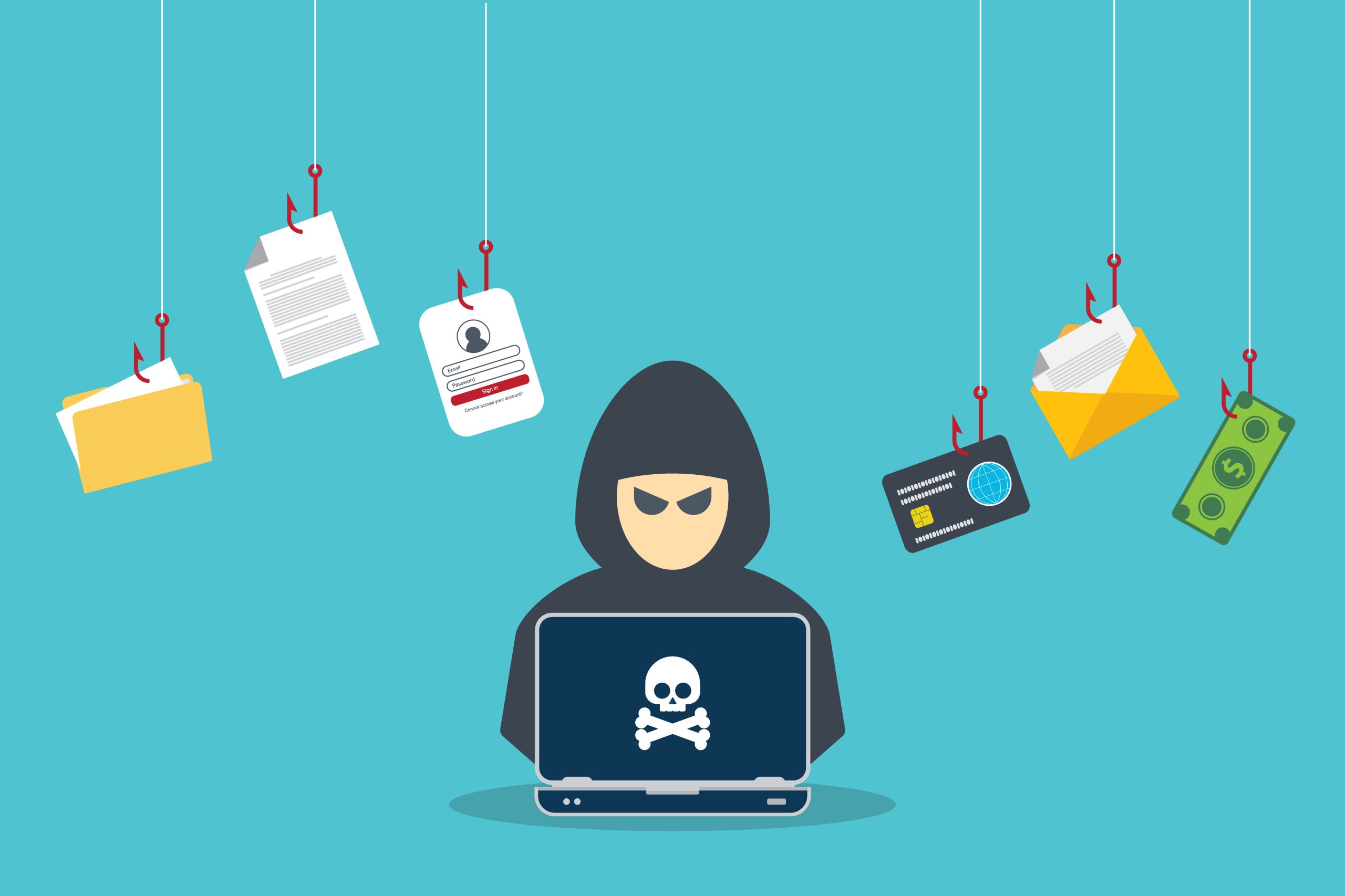
Phishing is no longer a crude attempt with typos and suspicious links buried in poorly formatted emails. In 2025, it is an adaptive, AI-driven threat capable of mimicking human tone, brand voice, and even how your colleagues write. The result is a scam that feels unsettlingly real, right down to the email signature and company jargon.
Knowing how to spot phishing scams in 2025 should not be just a skill for IT teams. It should be an essential safeguard for every professional who works online.
The New Face of Phishing in 2025
Phishing attacks are evolving faster than most people realize. According to the KnowBe4 Phishing Threat Trends Report 2025, phishing emails increased by 17.3% between September 15, 2024, and February 14, 2025. But the volume is only part of the problem. The sophistication has skyrocketed.
AI now generates over 82.6% of phishing emails, with AI-powered scams increasing by 126% in the past year. This means that the grammatical errors, odd phrasing, and generic greetings of yesterday’s scams are disappearing. Instead, cybercriminals use AI to create legitimate messages, match brand styling, and adapt to your online behavior.
Detection evasion rates have jumped from 47% to a staggering 92%. In other words, most of these scams now bypass traditional spam filters, making AI phishing scams far more likely to land in your inbox.
Classic vs. Modern Phishing Red Flags
Traditional phishing emails were easier to spot. You could look for:
- Poor spelling and grammar
- Generic greetings like “Dear customer”
- Obvious threats or urgent demands for immediate action
- URLs that didn’t match the company’s official domain
These are still essential signs of a phishing email, but modern attacks often avoid these tells entirely. AI-enhanced phishing introduces new, more subtle warning signs:
- Hyper-personalized content: Messages reference recent meetings, internal projects, or personal interests scraped from your social media.
- Deepfake sender identities: Email addresses, profile photos, and even audio or video content can appear from real people you know.
- Perfect brand imitation: Logos, colors, and formatting match legitimate corporate communications with pixel-perfect accuracy.
- Contextual timing: Messages arrive during busy work hours or before key deadlines, increasing the likelihood of a rushed response.
By blending these tactics, attackers reduce the time you must think before clicking. This is dangerous, given that the median user time to fall for phishing is only 21 seconds to click a malicious link and 28 seconds to submit sensitive information.
How to Verify if a Message Is Legitimate
With the right habits, you can dissect even the most convincing email. Before you click, take these steps:
- Check the actual sender domain: Don’t rely on the display name. Hover over or tap to reveal the valid email address. Scammers often use lookalike domains with minor character swaps, such as “micr0soft.com” instead of “microsoft.com.”
- Use secondary confirmation channels: If a colleague “emails” you a request for payment or sensitive files, verify via phone, chat, or in person before acting. A quick confirmation can save you from a costly mistake.
- Inspect links without clicking: Hover over links to preview their destination. If the URL is long, misspelled, or mismatched to the supposed sender’s website, it’s a red flag.
- Look for inconsistencies in tone and context: Even artificial intelligence has difficulty perfectly mimicking an individual’s writing style over time. Notice unusual phrasing, urgency, or requests outside normal business processes.
- Use threat intelligence and sandboxing tools: Security platforms can scan suspicious files and links in a controlled environment, detecting malicious behavior before it reaches your device.
These verification habits help bridge the gap between human intuition and technical defense. These practices are crucial in a time when people are increasingly circumventing phishing filters.
Best Practices for Phishing Protection in 2025
Phishing protection is most effective when behavioral awareness and technology work together. Here are phishing protection best practices that can dramatically reduce your risk:
- Adopt AI-based detection tools: Modern solutions can analyze linguistic patterns, detect anomalies, and flag high-risk messages in real time, even if they bypass traditional filters.
- Turn on multi-factor authentication (MFA): This adds an extra layer of security so that even if login credentials are compromised, unauthorized access can still be blocked.
- Segment access privileges: Limit sensitive data access to only those who need it, reducing potential damage if an account is compromised.
- Regular security awareness training: Interactive phishing simulations can sharpen detection skills and alert employees to evolving scams.
- Continuous monitoring and response: Have a dedicated team or managed security service to investigate and neutralize threats quickly.
Minor changes to your daily workflow can have a massive security payoff. For instance, training yourself to pause before clicking on an urgent request, or enabling MFA on every critical account, can prevent the vast majority of phishing-related breaches.
Why Proactive Cybersecurity Is the Best Defense
By the time a phishing attack reaches your inbox, the scammer has already bypassed multiple layers of security. That is why proactive measures like staying informed, training staff, and leveraging advanced detection are far more effective than reacting after the fact.
The stakes are higher than ever. The combination of high detection evasion rates and AI-powered social engineering means phishing is now a precision tool rather than a scattershot nuisance. Professionals who understand how to spot phishing scams in 2025 are better equipped to protect themselves, their companies, and their clients.
Avoiding phishing attacks is no longer about looking for sloppy mistakes. It’s about recognizing patterns, verifying requests, and building a security-first mindset. Online safety tips in 2025 focus on vigilance and investment in the right technologies.
If your organization wants to strengthen its defenses, consider engaging with AI Technology Professionals who can review your current security posture, identify vulnerabilities, and implement layered protections.
Visit our contact page for cybersecurity services and take the first step toward comprehensive protection.
Share this post